The traditional Crida has marked the beginning of the most anticipated time of the year for Valencians: the Fallas festival. A unique celebration where the streets fill with music, tradition and the unmistakable smell of gunpowder.
Whether you are visiting Valencia or living in the city, this guide will help you make the most of Fallas 2026.
At Museo Iluziona we have prepared a complete guide including the origin of Fallas, the main events and ideas for those who prefer to enjoy the atmosphere away from the noise.
The origin of the Fallas festival is as fascinating as it is mysterious. Today it is one of the most spectacular festivals in the world, but its beginnings were simple and closely linked to everyday life in Valencia.
The most accepted theory places its origin in the 18th century, when carpenters burned wooden remains and old oil lamps called parots in the streets on the eve of Saint Joseph.
This symbolic act marked the end of winter and the arrival of spring.
Over time, these piles of objects evolved into satirical human figures known as ninots, giving Fallas its characteristic humour and social criticism.
The main Fallas celebrations take place from March 15 to March 19, although events take place throughout the entire month.
From March 1 to March 19, a mascletà takes place every day at 2:00 pm in City Hall Square. This powerful pyrotechnic event is one of the most iconic experiences of Fallas.
City Hall Square:
Monteolivete Bridge:
The city begins with the installation of the children’s Fallas monuments. At 2:00 pm the mascletà will take place in City Hall Square.
In the afternoon the Ninot Indultat 2026 will be chosen. At midnight, L’Alba de les Falles will illuminate the city with fireworks.
This is the day of the main Plantà, when all Fallas monuments are completed and the city becomes an open-air art gallery.
The mascletà will once again fill the city centre with sound and celebration, followed by a major fireworks display at night.
Prizes will be awarded to the best Fallas monuments.
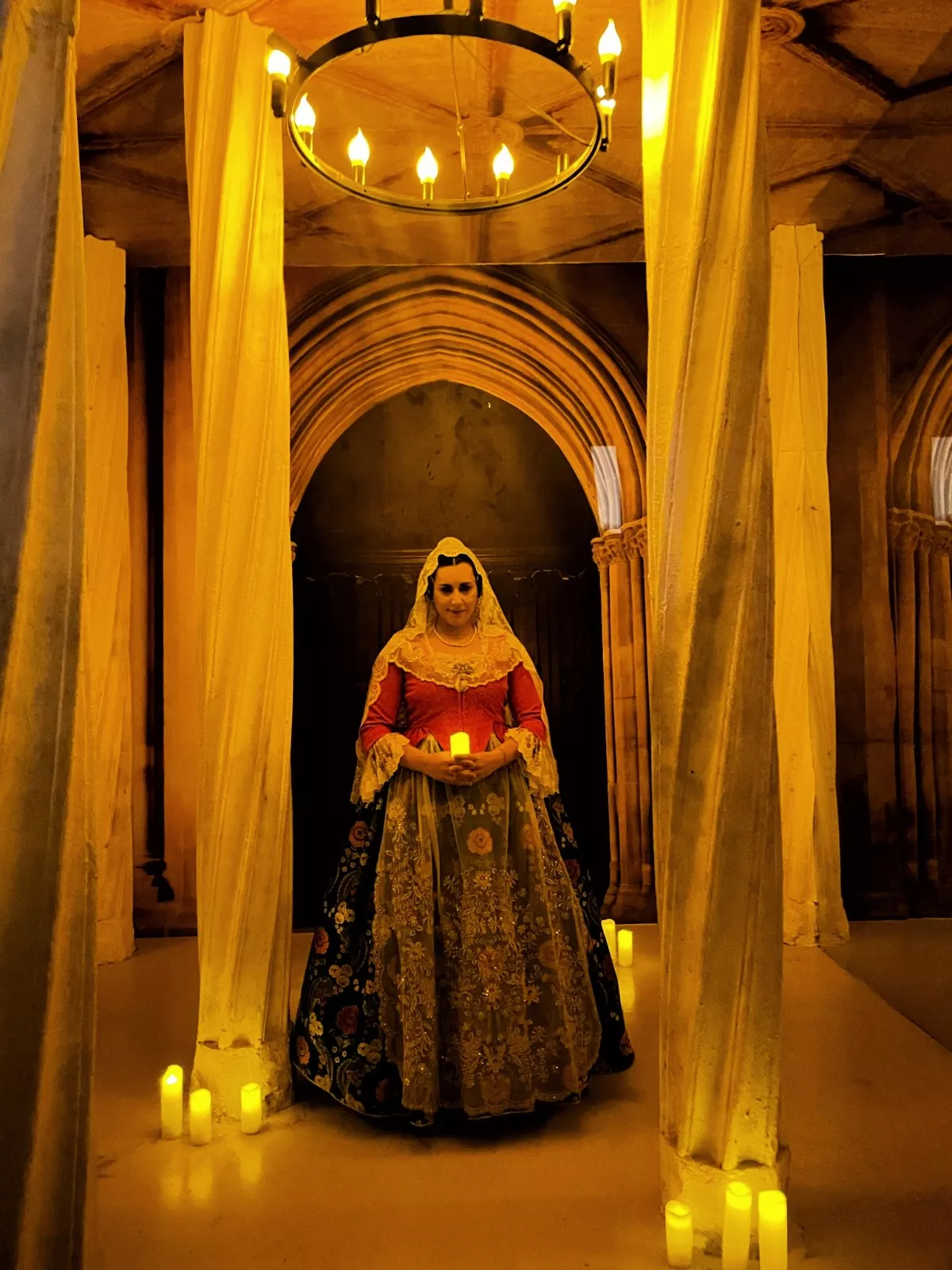
In the afternoon the Offering to the Virgin of the Forsaken will take place, one of the most emotional events of the festival.
The day ends with a nighttime fireworks display.
Official ceremonies and mascletà continue, along with the second day of the Offering.
At midnight, the famous Nit del Foc will light up the sky with the largest fireworks display of the festival.
The final day includes events in honour of Saint Joseph, the last mascletà and the Fire Parade.
At night comes the most emotional moment: La Cremà, when all Fallas monuments are burned, marking the end of the festival.
Fallas offers a huge variety of cultural and festive activities. However, after days of fireworks and noise, many visitors look for quieter alternatives.
Museo Iluziona offers a peaceful indoor experience where visitors can continue discovering Valencian culture away from the noise. It is an ideal plan for families with children and visitors travelling with pets.
WhatsApp us